Temporary Communication Solutions for Remote and Harsh Environments
Reliable communication becomes a critical constraint in remote and harsh environments. Fixed infrastructure is often unavailable, damaged, or impractical to deploy. Temporary communication solutions address this gap by providing fast, self-contained, and transportable telecom capability.
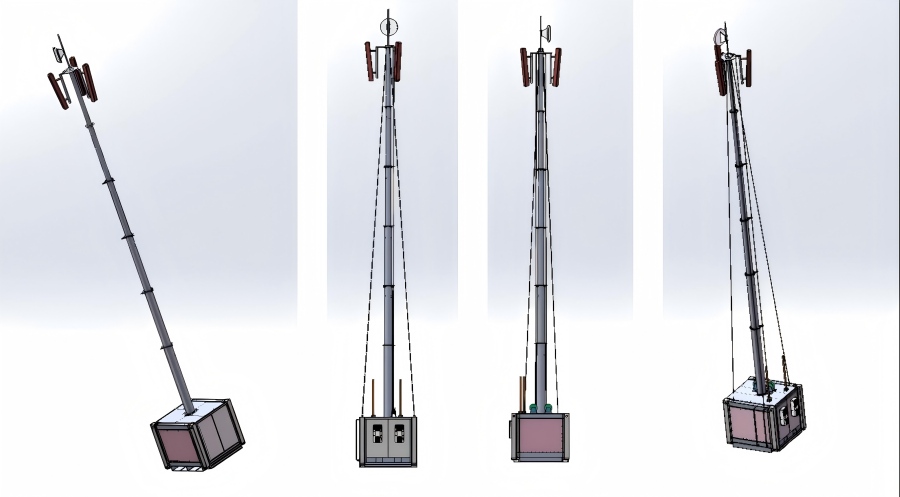
Common Deployment Scenarios
Temporary systems are typically used in environments with one or more of the following conditions:
· No existing telecom infrastructure
· Difficult terrain such as deserts, mountains, or offshore areas
· Extreme temperatures, high humidity, sand, or dust
· Urgent deployment requirements
Typical use cases include disaster response, remote construction sites, oil and gas fields, border areas, and temporary events.
Core Requirements in Harsh Environments
A viable temporary communication solution must meet several technical requirements.
· Rapid deployment with minimal manpower
· Structural stability under strong wind conditions
· Integrated power and control systems
· Protection against dust, rain, and corrosion
· Transportability by truck or trailer
Systems that fail in any of these areas usually lead to long setup times or unreliable operation.
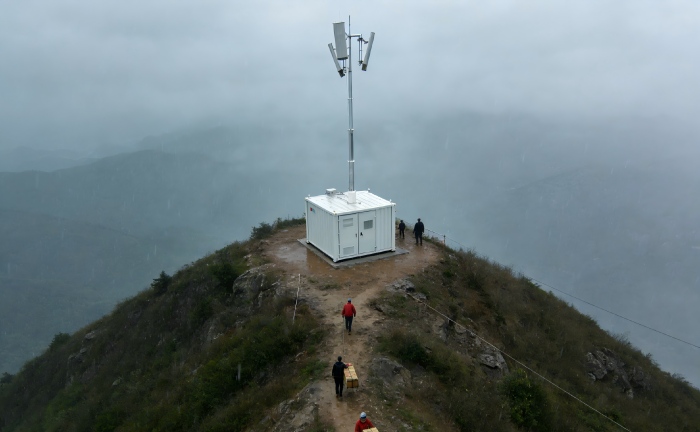
Mobile Communication Tower with Integrated Shelter
An integrated mobile communication tower combines multiple subsystems into a single transportable unit.
· Telescopic or hydraulic lifting mast
· Enclosed equipment shelter
· Power distribution and control system
· Monitoring and protection modules
This design reduces external dependencies and shortens deployment time.
Hydraulic Lifting and Self-Erecting Design
Hydraulic lifting masts are widely used in harsh environments.
· No external crane required
· Controlled lifting speed and positioning
· Reduced risk during installation
· Stable operation under wind load
Self-erecting structures allow a small team to complete deployment within hours rather than days.
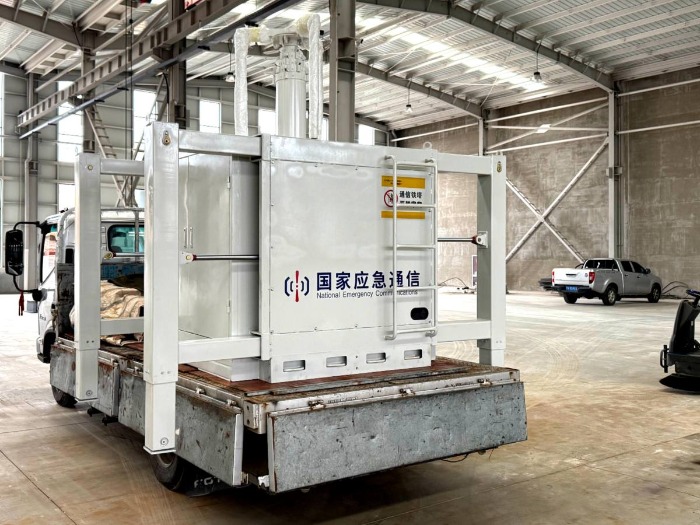
Integrated Power and Control System
Remote locations often lack stable power supply.
Integrated systems typically include:
· Main power input and backup power interface
· Intelligent power distribution unit
· Remote monitoring of voltage, current, and system status
· Emergency shutdown and protection logic
This ensures continuous operation and reduces on-site maintenance.
Environmental Protection and Structural Design
Harsh environments accelerate equipment failure if protection is inadequate.
Key design considerations include:
· Weather-resistant shelter enclosure
· Dust and sand sealing
· Corrosion-resistant coatings
· Ventilation or temperature control
These features extend service life and reduce downtime.
Advantages Over Fixed Infrastructure
Temporary communication solutions offer clear advantages in remote regions.
· Faster deployment
· Lower initial investment
· Flexibility to relocate as needed
· Suitable for temporary or emergency use
Fixed towers are not practical when timelines are short or site conditions are uncertain.
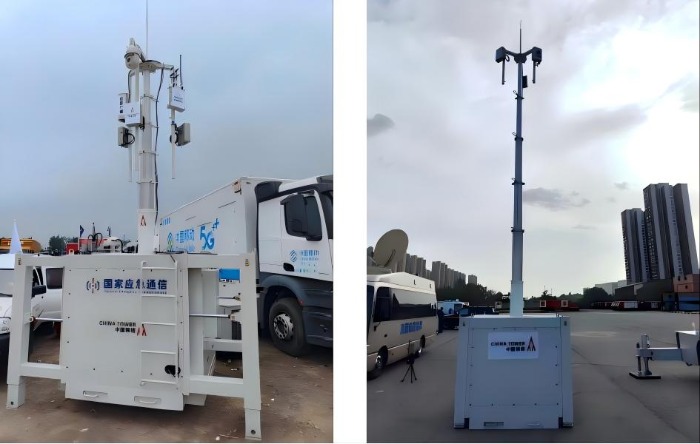
Typical Communication Applications
Integrated mobile systems can support multiple communication needs.
· Emergency public safety communication
· Temporary cellular base stations
· Data and video transmission
· Command and control coordination
The system can be configured based on specific frequency bands and network requirements.
Conclusion
Temporary communication solutions are essential for maintaining connectivity in remote and harsh environments. Mobile communication towers with integrated shelters provide a practical balance between speed, reliability, and adaptability. For emergency response, remote operations, and temporary projects, these systems offer a proven and scalable approach to rapid telecom deployment.
Click here to learn more about the product.
More mobile telecommunication ( Cell on Wheels ) solution is on:
https://www.alttower.com/cellular-on-wheels-cow_c2


评论
发表评论