Emergency Communication: How Integrated Telecom Cabinet Cut Deployment Time from Days to Minutes
In critical emergencies, communication is a lifeline. Traditional emergency communication setups often take days to become operational—a delay that can cost lives. Today, integrated telecom shelters are revolutionizing this process, slashing deployment times to mere minutes. This blog explores how integrated design and advanced technology are redefining rapid response.
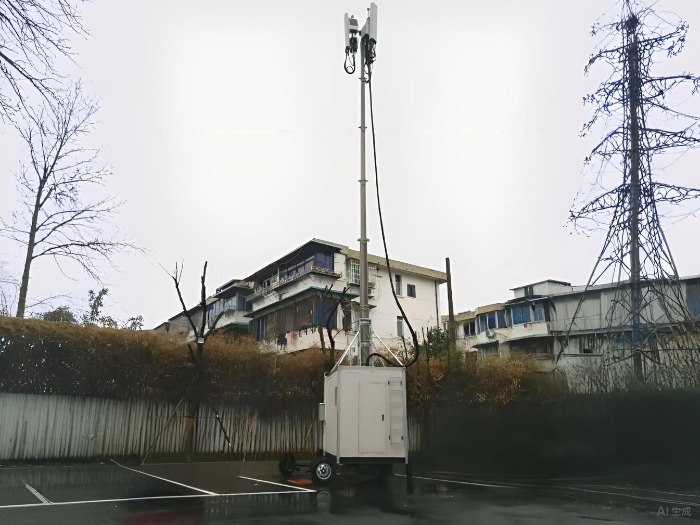
1. The Traditional Emergency Communication Setup: A Race Against Time
Before all-in-one shelters, establishing emergency communications involved:
Transporting multiple vehicles for command, power, and living support.
Manual assembly of generators, antenna masts, and network equipment.
Complex coordination between disparate systems (e.g., satellite, radio, power).
Typical Deployment Time: 24–72 hours, depending on site accessibility and team expertise.
These delays stem from fragmented logistics, incompatible equipment, and labor-intensive processes.
2. The Game Changer: All-in-One Emergency Shelters
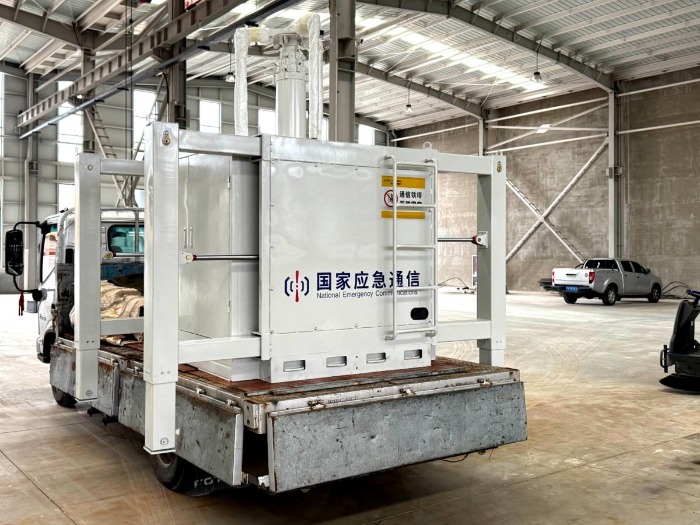
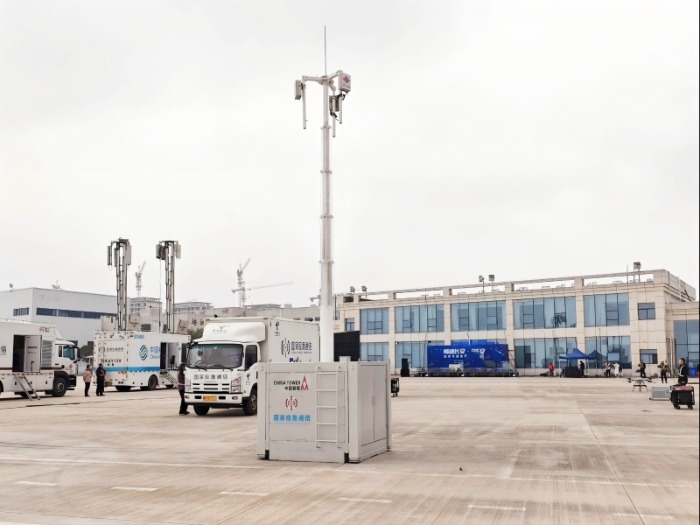
Modern shelters consolidate command, power, and communication into a single, rapidly deployable unit. For example, Sichuan's "shelter fleet" includes a multi-expansion command vehicle that unfolds automatically in 10 minutes and supports up to 70 personnel. Key features enabling this speed include:
2.1 Integrated Systems
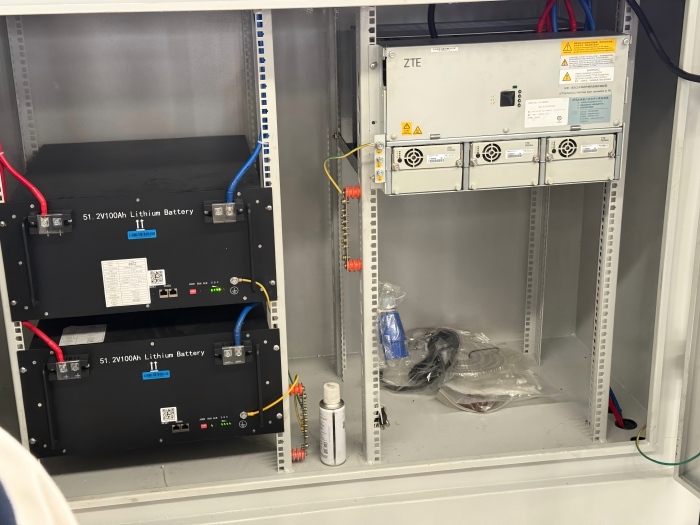
Pre-installed Telecom Gear: Satellite, LTE/5G, and radio systems are built in, eliminating on-site assembly.
Unified Power Supply: Onboard generators or batteries eliminate external power setup.
Modular Components: Plug-and-play modules for lighting, computing, and reconnaissance.
2.2 Rapid Deployment Mechanisms
One-Button Expansion: Hydraulic or automated systems unfold shelters without manual effort.
Lightweight Materials: Advanced alloys and composites reduce weight, accelerating transport and setup.
Standardized Interfaces: Components connect via pre-configured ports, avoiding technical delays.
2.3 Instant Connectivity
Multi-Network Support: Simultaneous use of satellite, cellular, and ad-hoc networks (e.g., narrowband radio) ensures connectivity even in "blackout" zones.
Self-Organizing Networks: Devices like Hubei's "Feng Su Tong" system autonomously form local networks in 30 seconds.
3. Deployment Timeline: "Days-to-Minutes" in Practice
| Phase | Traditional Approach | All-in-One Shelter |
|---|---|---|
| Transport & Setup | 12–24 hours (multiple trips) | 5–10 minutes (single unit) |
| Power Activation | 2–6 hours (generator setup) | Instant (built-in supply) |
| Network Establishment | 4–12 hours (antenna alignment, configuration) | 3–5 minutes (auto-connected systems) |
| Full Operational Readiness | 24–72 hours | 10–30 minutes |
Case in Point: In a simulated earthquake response, Sichuan's shelter fleet established a full command center with communications, lighting, and logistics support in under 30 minutes.
4. Core Technologies Driving Efficiency
4.1 Compact, High-Density Power
Lithium-Ion Batteries: Support operations without generators, reducing noise and setup steps.
Liquid-Cooled Systems: Solutions like Shenyang Gufen's immersion-cooled shelters ensure stability in high-temperature environments.
4.2 Automated Infrastructure
Robotic Antenna Masts: Self-erecting masts with auto-tracking satellites.
AI-Optimized Workflows: Predictive algorithms pre-configure networks based on location and disaster type.
4.3 Modularity and Scalability
Plug-and-Play Peripherals: Add lighting, drones, or sensors without recalibration.
Multi-Mission Flexibility: The same shelter can transition from disaster response to event support in minutes.
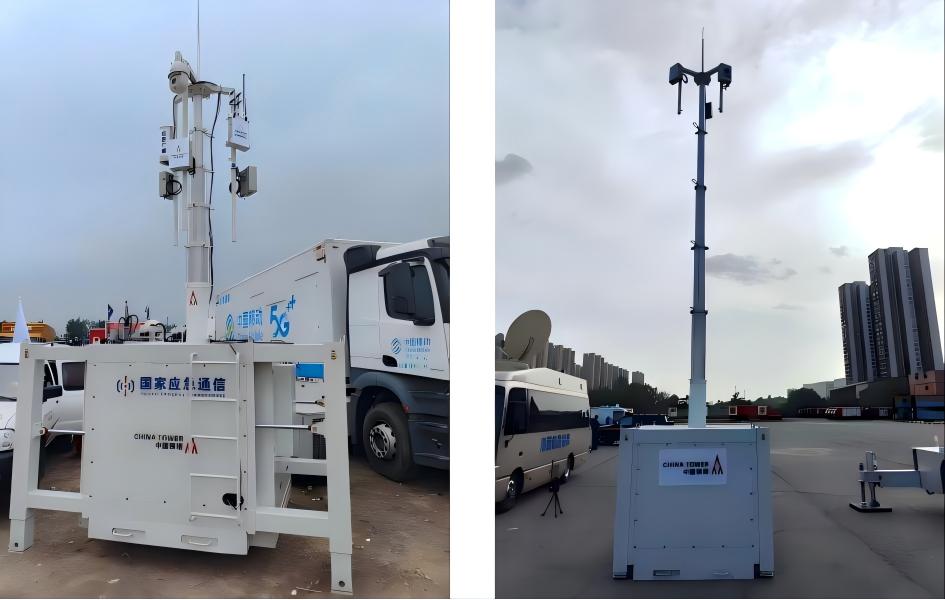
5. Real-World Impact: From Disaster Zones to Event Coverage
Emergency Missions: In Gansu mountain flood rescue, narrowband radio networks restored communications within 3–5 minutes of arrival.
Public Events: During large gatherings, shelters provide temporary coverage without the need for permanent infrastructure.
Military Uses: Mobile launch-control shelters reduce rocket launch setup time from weeks to hours.
6. The Future: Autonomy and AI Integration
Next-generation shelters will leverage:
AI-Powered Deployment: Systems that autonomously select optimal locations and configurations.
Self-Healing Networks: Algorithms that reroute data automatically around damaged nodes.
Drone Integration: UAVs for aerial reconnaissance and temporary signal relaying.
7. Conclusion: Efficiency as the New Standard
The shift from days to minutes in emergency communication deployment isn't just an improvement—it's a fundamental redefinition of response capabilities. By embracing all-in-one shelters, agencies ensure that when disasters strike, communication—the backbone of coordination and safety—is available almost instantly.
Please find product details at below's links.


评论
发表评论